


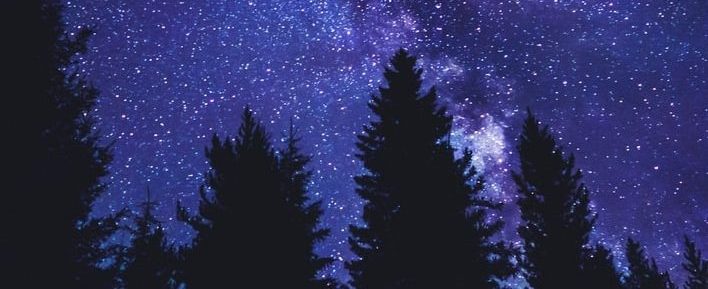



This year, from October 16 to November 7, Muskoka: Home of the Stars invites you to gaze upward and witness the beauty of the stars. Here are four key celestial events in Muskoka to mark on your calendar, along with the 18 stargazing events taking place across the region.
1. Hunter’s Moon – October 26, 2026
October’s Hunter’s Moon reaches peak illumination in the early hours of October 26, just as the moon rises near sunset. This full moon traditionally signaled the time to prepare for winter, and in Muskoka it’s a stunning sight rising over lakes and treetops.
Viewing Tip: Find an open spot with a clear view of the horizon, such as Lions Lookout or Huckleberry Rock Lookout, and watch the moonrise as it lights up the landscape.
2. Orionid Meteor Shower – October 20 to 22, 2026
The Orionids peak around October 21, producing fast, bright meteors originating from Halley’s Comet. Expect roughly 15–20 meteors per hour under ideal conditions. This year’s moon phase is more favourable than 2025, meaning darker skies and better visibility.
Viewing Tip: While the meteors might be harder to see due to moonlight, you can improve your chances by heading to Torrance Barrens Dark-Sky Preserve, where minimal light pollution will allow for a better view.
3. Beaver Moon – November 24, 2026
November’s Beaver Moon reaches peak illumination on November 24, lighting up Muskoka’s late‑fall landscape. While the name has roots in seasonal preparation — either beavers building winter dams or trappers setting their final traps — today it’s simply a beautiful full moon to enjoy.
Viewing Tip: Watch this spectacular supermoon rise above the treeline from the serene shores from Dwight Beach on Lake of Bays or Arrowhead Provincial Park for a magical reflection on the water.
4. Leonid Meteor Shower – November 16-18, 2026
The Leonids peak overnight on November 16-17, known for their fast‑moving meteors streaking across the sky at incredible speeds. Typical years bring 10–15 meteors per hour, though the Leonids are famous for rare “meteor storms” every 33 years. While 2026 isn’t expected to be a storm year, it’s still a beautiful show.
Viewing Tip: For the best chance of catching the fast-moving Leonids, consider bundling up and camping out at Arrowhead Provincial Park, where you can combine stargazing with the peaceful surroundings.
Bonus Tip for Stargazers
Make your stargazing experience even more memorable by downloading a stargazing app like SkyView or Star Walk to help identify constellations, stars, and planets as you gaze at Muskoka’s clear, dark skies.
With 18 stargazing events happening across the region this fall, Muskoka is celebrating the beauty of its dark skies. Whether you’re a seasoned astronomer or a curious beginner, fall is the perfect time to explore the cosmos.